Wet Drywall Repair in Daleville: Save It or Cut It Out
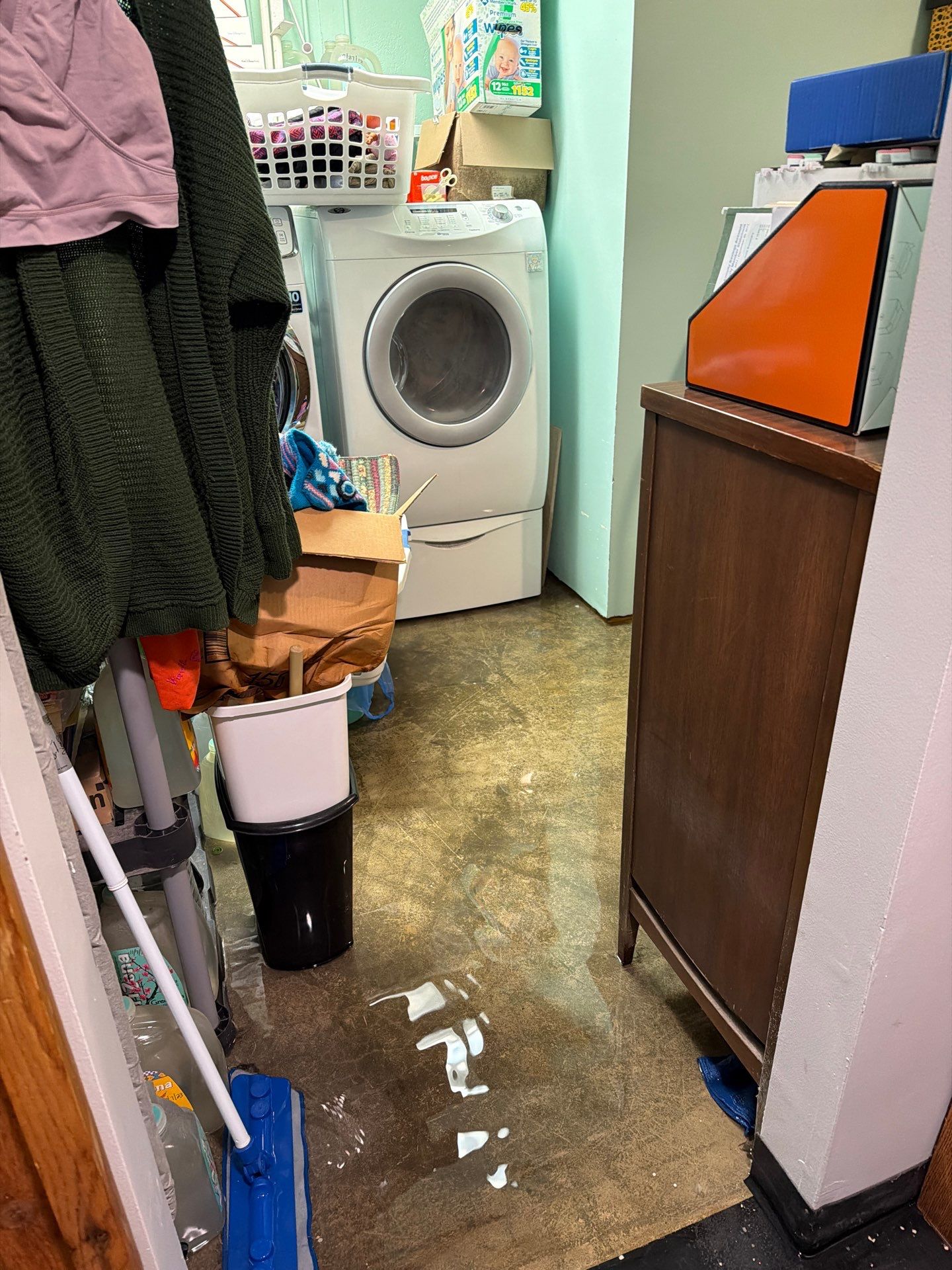
Wet drywall in Daleville fails on a predictable timeline. Paper facing wicks moisture within within 2 hours. Gypsum core saturates in 2 to 4 hours. Visible sagging, bubbling, or seam separation typically appears between 6 and 24 hours, and microbial growth becomes a real risk between 48 and 72 hours. If you are reading this with a wet wall in front of you, the clock is already running.
At Daleville Water Restoration, we built this walkthrough from the same process our IICRC certified crews follow on emergency calls across Daleville. Founded in 2018 and rated A+ by the BBB, we believe in straight answers. If your drywall can be dried in place, we will tell you. If it needs to come out, we will tell you that too. This is not a DIY pep talk. It is the exact sequence used on Category 1, 2, and 3 losses so you can make informed decisions before, during, and after our crew arrives. Every step below includes the moisture readings, cut heights, and equipment specifications we document for your insurance carrier. Use it to verify any contractor's work, including ours.
How do I know if my drywall is actually wet inside the wall?
Visible signs are only part of the story. You will notice bubbling paint, brown tide lines, soft spots when you press the surface, a slight bow in the sheet, or a musty smell near the baseboard. The problem is that drywall can look dry on the outside while holding 40 to 60 percent moisture content inside. In Daleville homes we use pin type and pinless moisture meters, plus thermal imaging, to map saturation behind paint and wallpaper. A reading above 16 percent in gypsum is wet enough to require intervention. If you suspect a hidden leak, our guide on water damage behind walls and hidden leak detection walks through what we look for.
One detail many homeowners miss is that thermal cameras do not actually see moisture. They see temperature differences, and wet materials evaporate slower and read cooler than dry ones. That is why we always confirm a thermal anomaly with a moisture meter before we cut anything. We also check both sides of a shared wall when possible, because water often travels along the top plate and shows up in a room two doors down from the original leak.
Do I need to replace the insulation too?
Almost always, yes. Fiberglass batt insulation loses its R-value when wet and traps moisture against the framing. Cellulose insulation clumps and supports mold growth aggressively. Closed cell spray foam is the only insulation that sometimes survives a clean water loss, and even then it needs inspection. Replacing batt insulation in a flood cut wall adds about $1.50 to $3.00 per square foot, and it is one of the most important steps we take.
What is a flood cut and why do contractors do it?
A flood cut is a horizontal cut made 12 to 24 inches above the visible waterline. We remove everything below that line in a clean straight cut, exposing the studs and bottom plate. There are two reasons we do this in Daleville homes. First, it lets us dry the wall cavity directly with airflow instead of fighting moisture trapped behind a sealed surface. Second, it gives us access to wet insulation, which holds water far longer than gypsum and is the most common source of post restoration mold complaints. A proper flood cut takes about within 2 hours per room and saves days of drying time.
Before we make any cut, we check for electrical wiring, low voltage data lines, and plumbing inside the cavity. Daleville Water Restoration crews score the paper with a utility knife first, then use an oscillating multi tool set to a shallow depth so we do not nick anything behind the sheet. The debris goes straight into contractor bags at the wall, not dragged across your floors. On older Daleville homes with lath and plaster, the approach changes entirely because plaster does not flood cut cleanly and often requires full wall removal in the affected section.
What happens if wet drywall is left alone?
Three things, in order. First, the gypsum loses structural integrity and starts to sag or crumble, especially on ceilings. Second, paper facing on drywall is cellulose, which is food for mold. You can see visible growth in 48 to 72 hours under the right conditions, and air quality in the home drops measurably. Third, the wall cavity stays wet, rusting electrical boxes and rotting the bottom plate of the framing. A $2,000 drywall repair becomes a $12,000 mold and framing remediation. This is why we treat wet drywall as time sensitive, not cosmetic.
Will my homeowners insurance pay for drywall replacement?
In most sudden and accidental water losses, yes. Burst pipes, appliance failures, and storm driven rain intrusion are typically covered. Long term leaks, seepage, and flood water from outside (which requires separate flood insurance) are usually not. Daleville Water Restoration documents every job with moisture maps, photos, psychrometric readings, and line item Xactimate estimates that adjusters recognize. We deal with carriers daily in Daleville and can often handle the claim communication directly so you are not stuck translating insurance language at 11pm.
A few things help your claim move faster. Take photos of the damage before anyone touches it, save the broken hose or fitting if you can, and keep receipts for any emergency mitigation you paid for out of pocket. Your policy almost certainly requires you to mitigate further damage, which means starting extraction quickly is not optional. If an adjuster pushes back on scope, our documentation gives you something concrete to point to instead of a he said she said about how wet the wall really was.
How long does professional drying actually take?
For most Daleville water losses, structural drying runs three to five days. Day one is extraction, demolition, and equipment placement. Days two and three are active drying with commercial dehumidifiers (we typically run one LGR dehu per 800 to 1200 square feet) and air movers spaced every 10 to 16 linear feet of wet wall. Days four and five are monitoring and equipment removal once moisture readings match unaffected areas. Homes with plaster, multiple layers of paint, or vinyl wallpaper can take seven days or more because those surfaces trap moisture. You can read more on timing in our breakdown of 24 hour water damage restoration and emergency response.
When to Call Daleville Water Restoration
If your drywall has been wet for more than 24 hours, if you suspect Category 2 or 3 water, or if moisture readings stay above 16% after 72 hours of drying, stop and call a professional. Daleville Water Restoration runs IICRC certified crews across Daleville with full documentation for your insurance carrier. If we cannot help, we will tell you directly. Call us anytime, day or night, and we will give you a straight answer on whether your drywall can be saved or needs to come out.
What does wet drywall repair cost in Daleville?
For a single room with a flood cut, drying, new drywall, mud, tape, texture matching, primer, and paint, most Daleville homeowners pay between $1,200 and $3,800. Larger losses involving multiple rooms, ceilings, or Category 3 water can run $5,000 to $15,000 or more. The biggest cost drivers are square footage of affected drywall, whether insulation needs replacement, ceiling versus wall work (ceilings cost more due to scaffolding and gravity), and texture matching on older homes with knockdown or orange peel finishes. We give written estimates before we start, not after.
How do I match the texture and paint after repair?
Texture matching is the step that separates a real restoration from an obvious patch. Daleville homes commonly have knockdown, orange peel, smooth level 5, or skip trowel finishes, and each requires a different spray tip, mud consistency, and timing. We test the texture on a scrap of drywall held next to the wall before we ever touch the actual repair. For paint, we recommend painting the full wall corner to corner rather than spot priming, because even a perfect color match shows a halo under angled light. On accent walls or custom colors, we ask for the original paint code if you have it, and if you do not, we color match on site.
Can wet drywall be dried in place, or does it have to be cut out?
It depends on three things: how long the drywall has been wet, what category of water touched it, and whether insulation sits behind it. Category 1 clean water (supply line, ice maker line) caught within 24 to 48 hours can often be dried in place using air movers, dehumidifiers, and sometimes injection drying systems that push warm dry air into the wall cavity. Category 2 gray water (dishwasher, washing machine overflow) is borderline and usually requires removing the bottom two feet, known as a flood cut. Category 3 black water (sewage, toilet overflow, flood water) is non negotiable. The drywall comes out, full stop, along with the insulation behind it.
Frequently Asked Questions
Can wet drywall be saved without cutting it out?
Sometimes, yes. If the water was clean (Category 1) and we reach it within 24 hours, Daleville Water Restoration can often dry the drywall in place using air movers and dehumidifiers. We verify with moisture meters before closing the job.
How long does drywall take to dry after water damage?
With professional equipment, most Daleville drywall jobs reach acceptable moisture levels in 3 to 5 days. Without equipment, drywall can stay wet for weeks and grow mold within 48 hours.
Will my homeowners insurance cover wet drywall repair?
Most policies cover sudden and accidental water damage, including drywall replacement and reconstruction. Daleville Water Restoration documents the loss with photos, moisture logs, and an itemized scope your Daleville adjuster can process.
What is a flood cut and when is it needed?
A flood cut removes drywall 12 to 24 inches above the waterline so we can dry the wall cavity, studs, and insulation. It is standard for Category 2 water and required for Category 3.
How do I know if there is mold behind my wet drywall?
Musty smell, dark staining, or moisture readings above 17 percent after several days are red flags. Daleville Water Restoration uses thermal imaging and cavity probes to check before reconstruction begins.
Have a restoration question?
Our IICRC certified Daleville crew is ready to help. Free assessments, written scopes, no pressure.